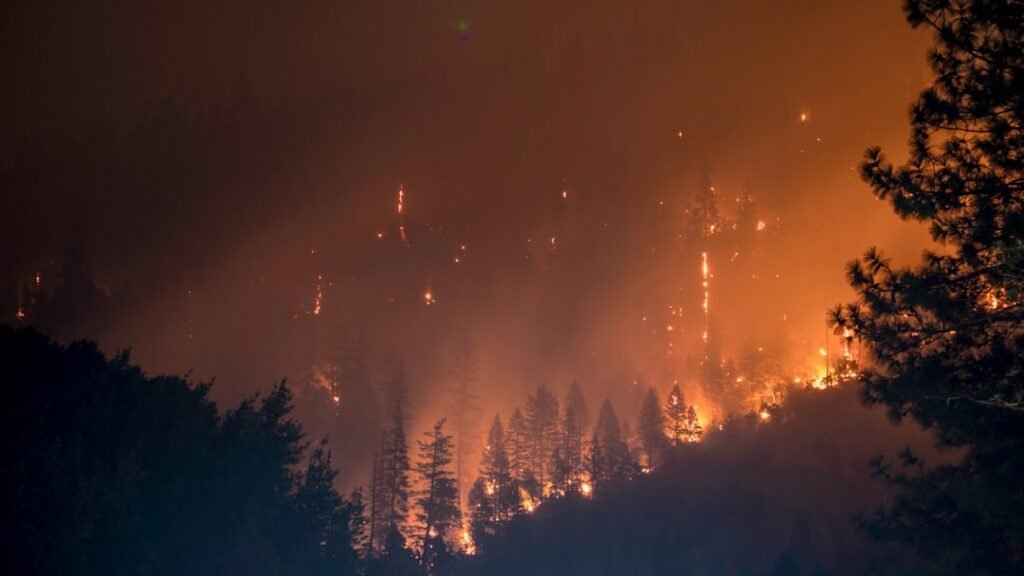
AI-powered water modelling after wildfires
Developing intelligent models to understand water resources in boreal forests affected by wildfire.
Photo: Matt Howard / UnsplashWater Innovation and Intelligent Environment Lab
Water Modelling after Wildfires
 Groundwater Recharge & Low Flows
 Groundwater Drought
 Boreal Aquatic Ecosystems
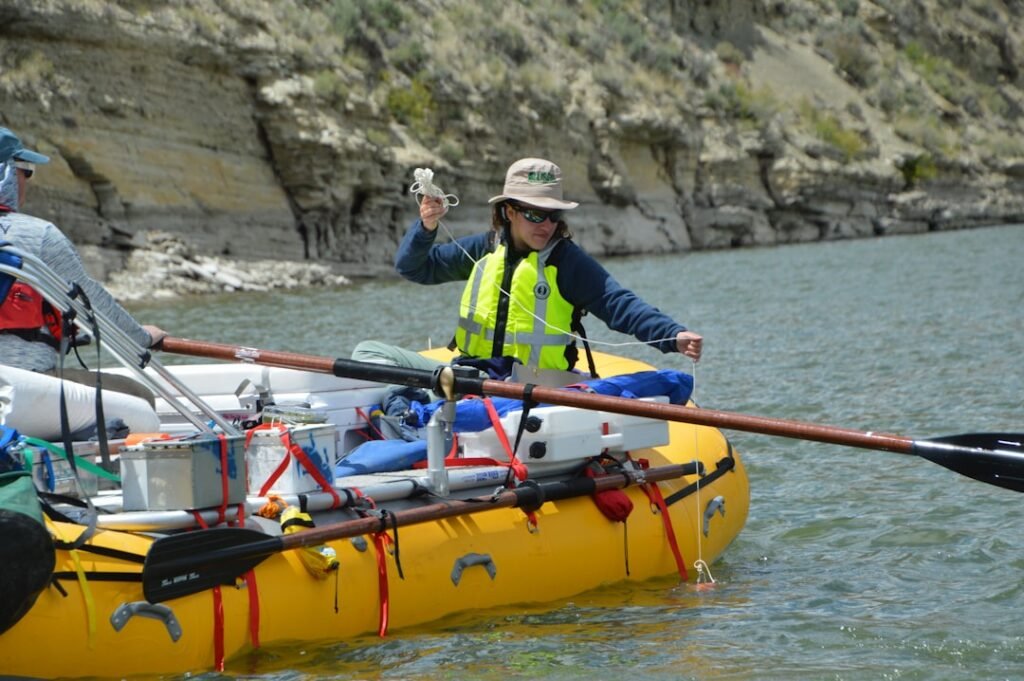 Sharing Groundwater Knowledge
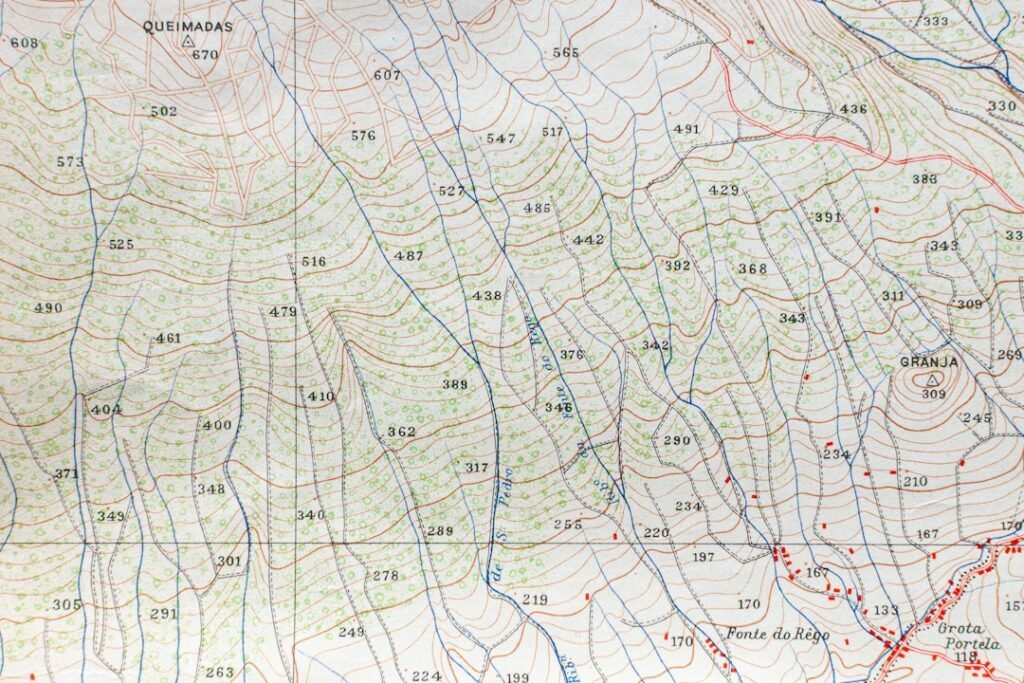 Groundwater Quality Mapping
 Chisasibi Groundwater
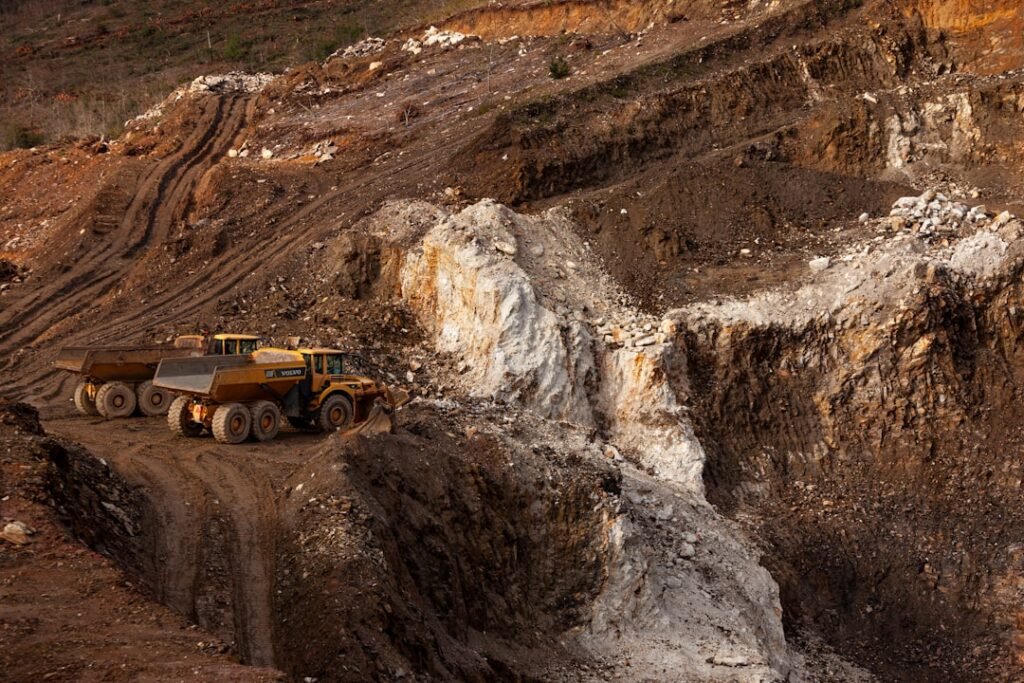 Climate & Mine Tailings
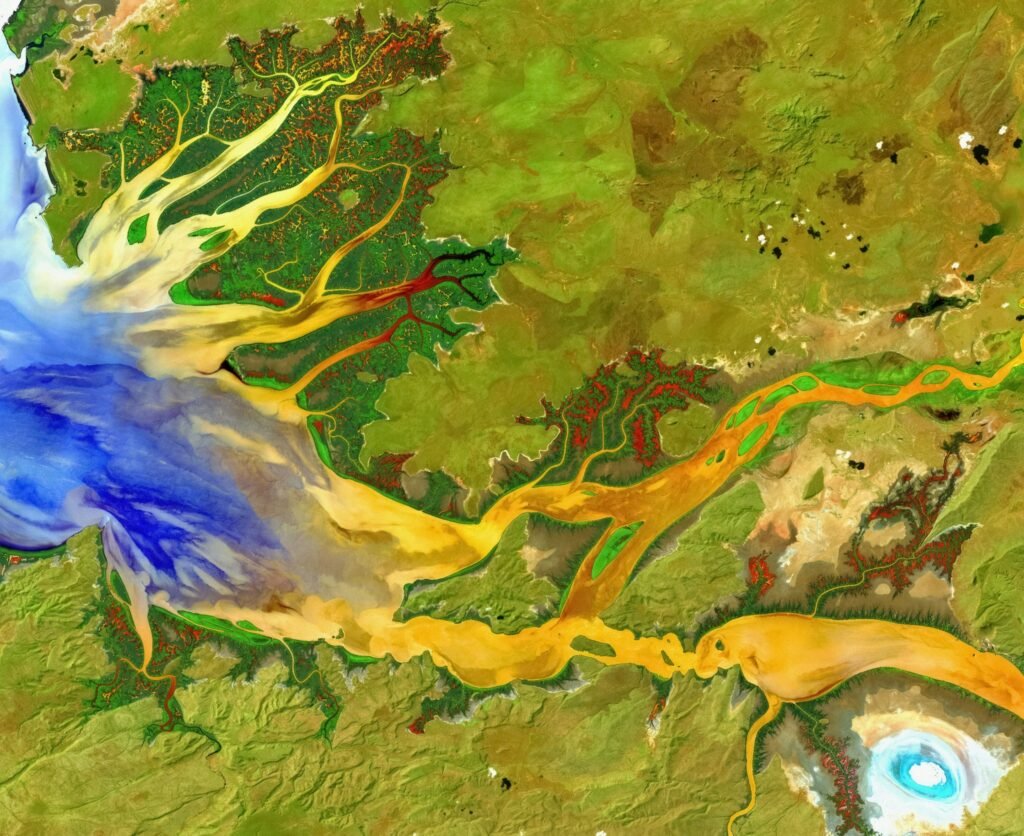
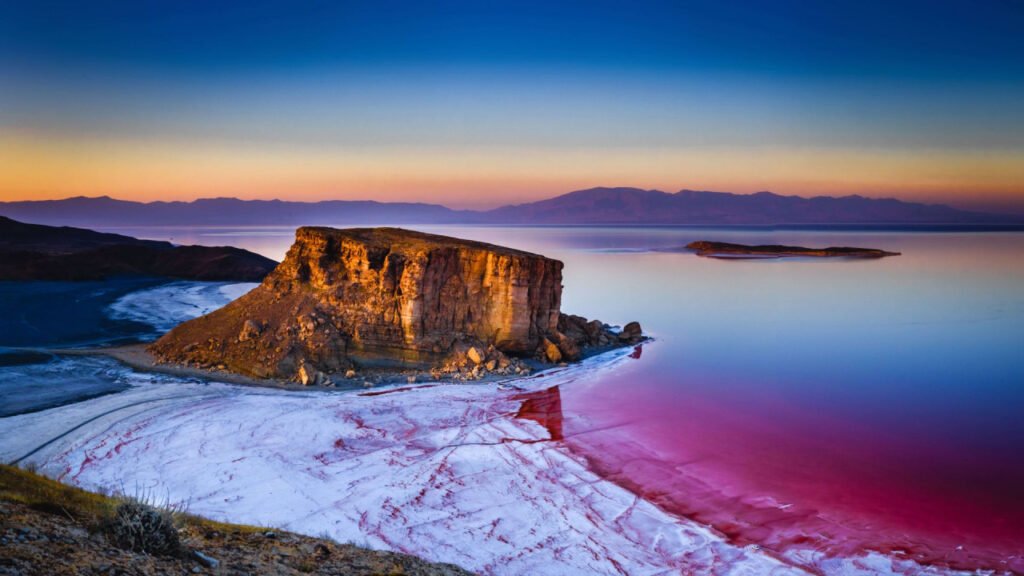
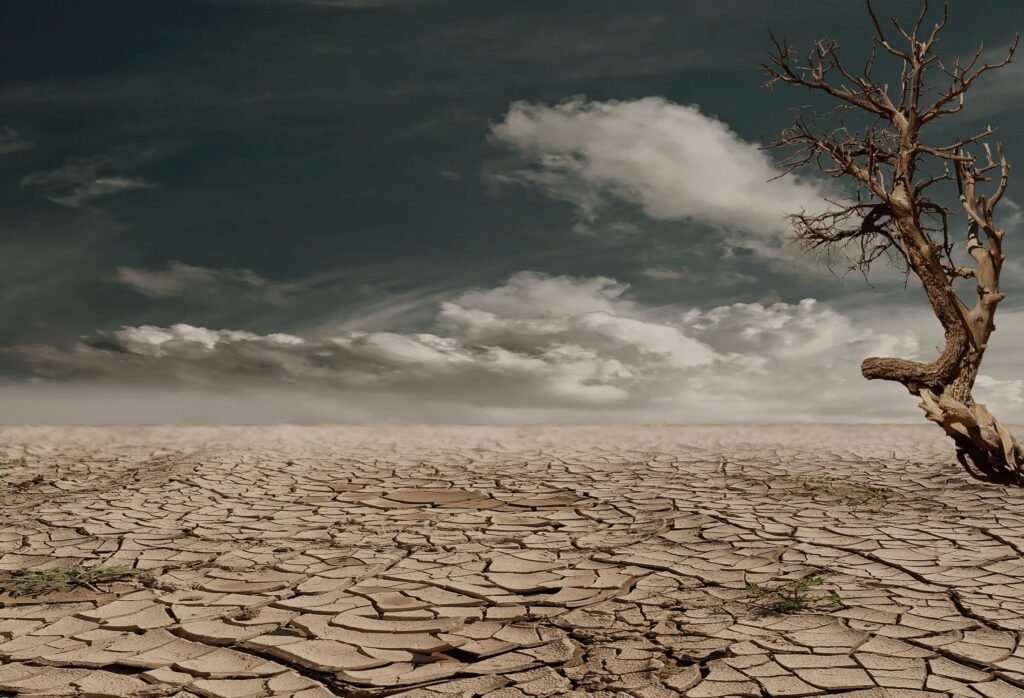
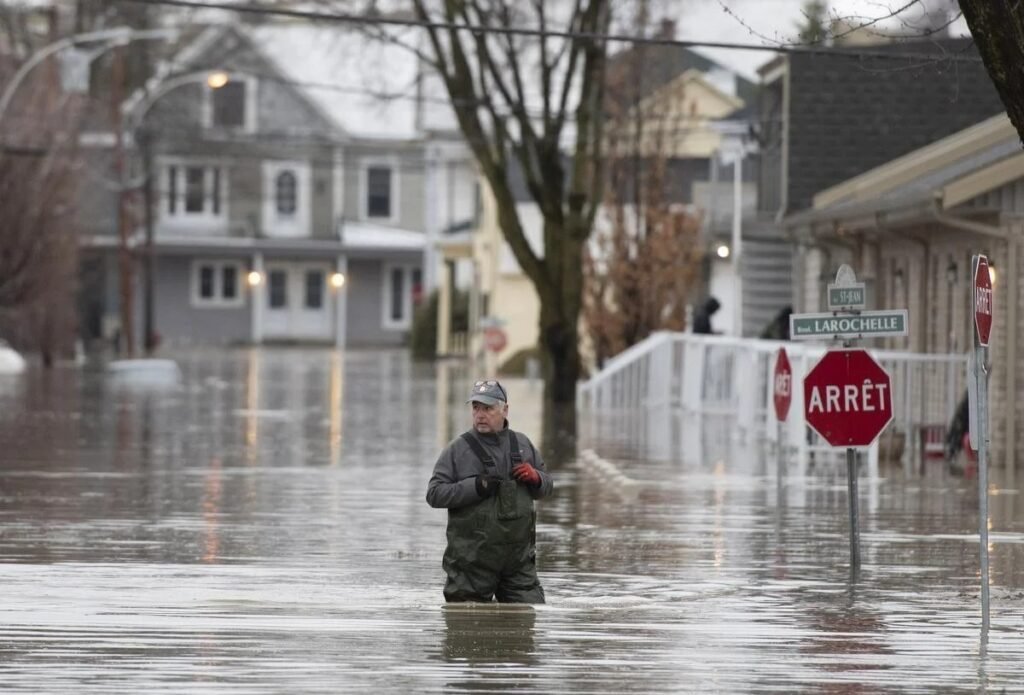
Representative project imagery:
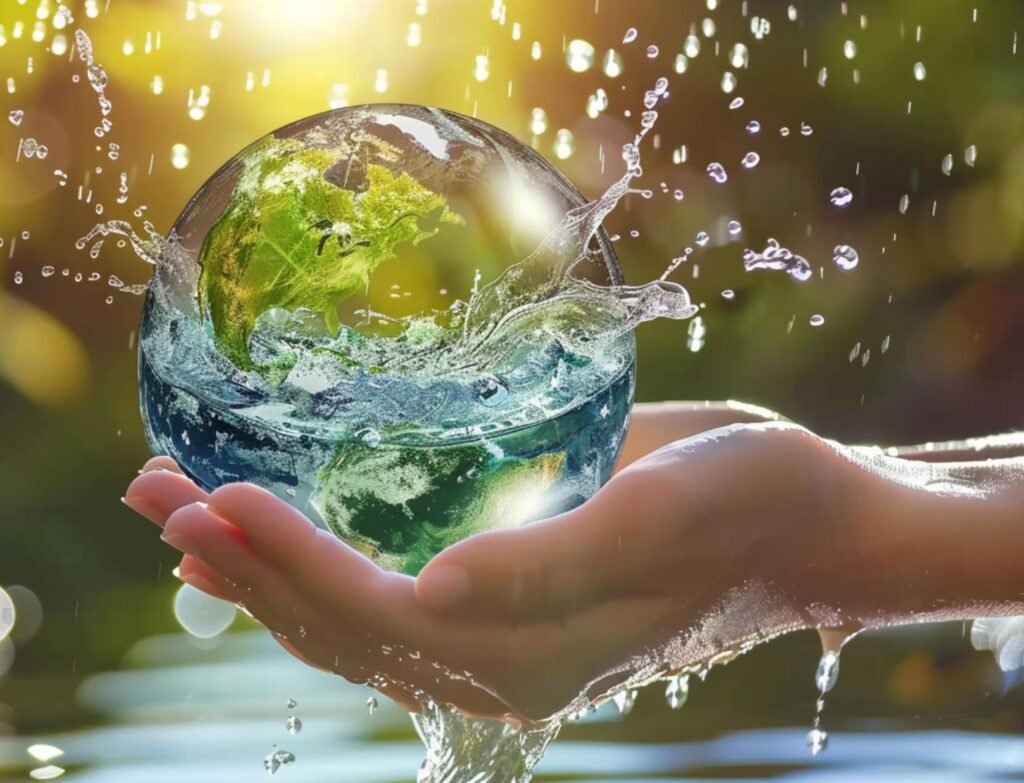
The Water Innovation and Intelligent Environment Lab (WIIE) is an interdisciplinary research lab that combines artificial intelligence, remote sensing, hydro(geo)logy, and environmental science to better understand water systems and their response to environmental change. Our research develops innovative tools to monitor, model, and predict hydrological and environmental processes. By addressing the impacts of climate change on water resources and ecosystems, we support sustainable management, climate adaptation, and environmental resilience.
Our team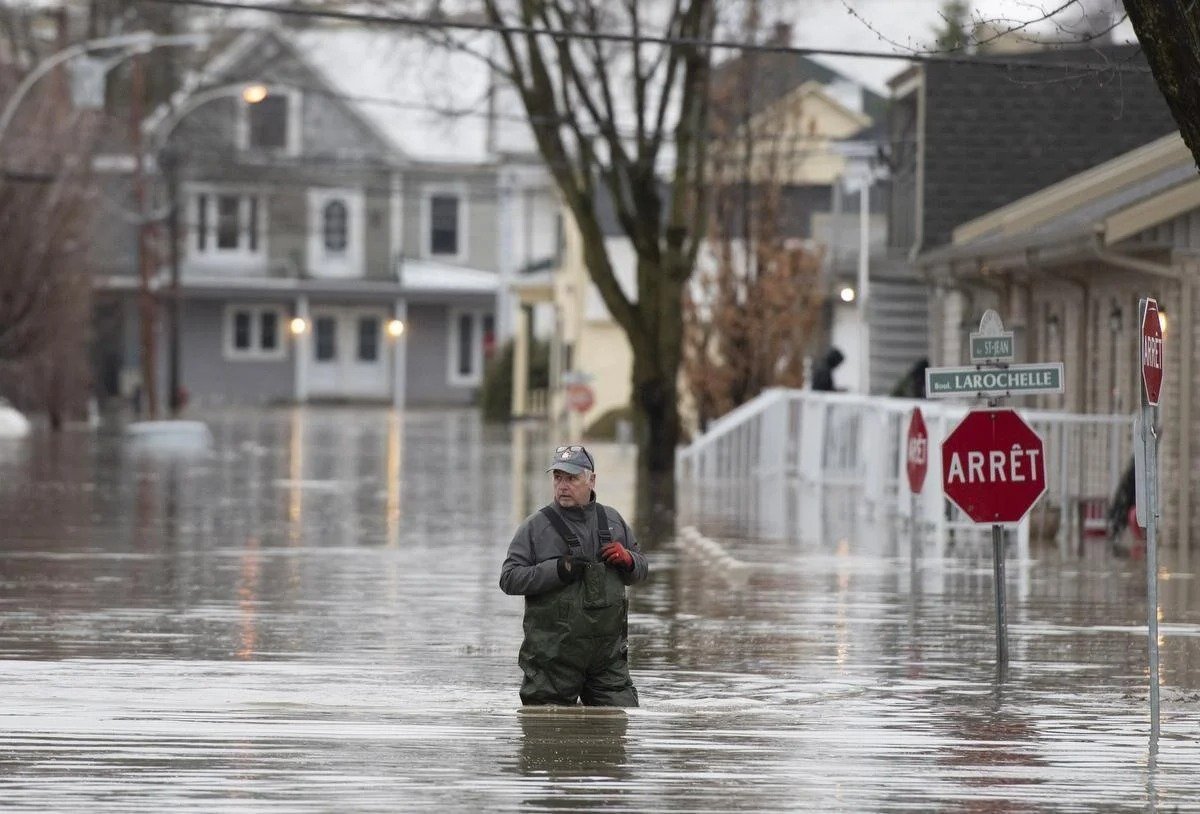
Developing intelligent models to understand water resources in boreal forests affected by wildfire.
Photo: Matt Howard / UnsplashCombining field observations, hydrogeology, and AI to address groundwater knowledge gaps in northern Québec.
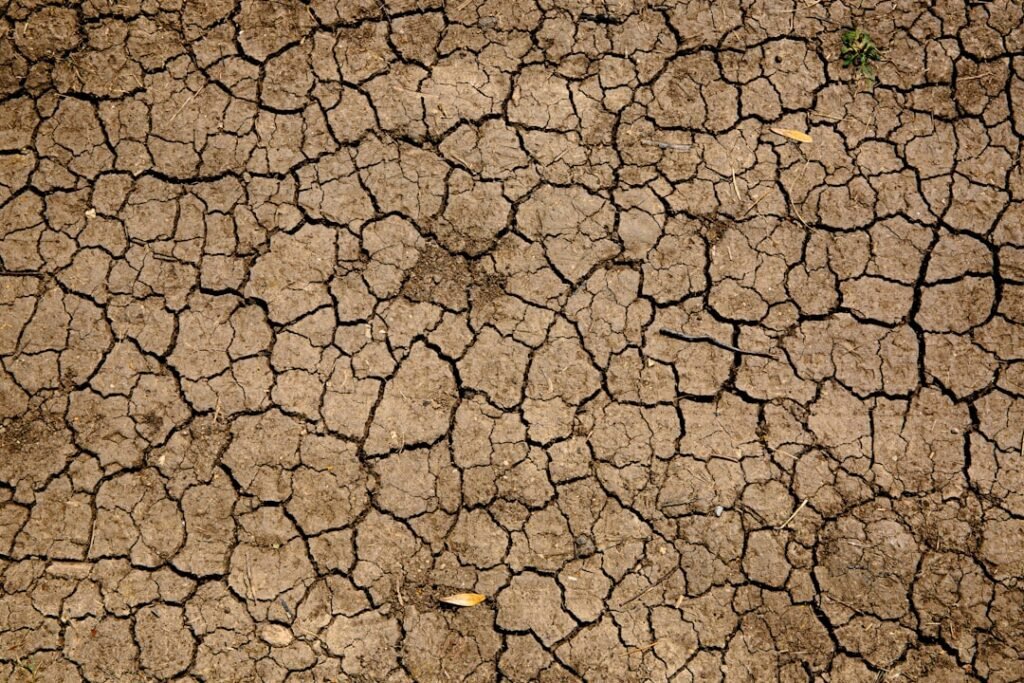
Photo: Chenoa Liu / UnsplashInterpretable deep learning to investigate drought onset, propagation, severity, and recovery.
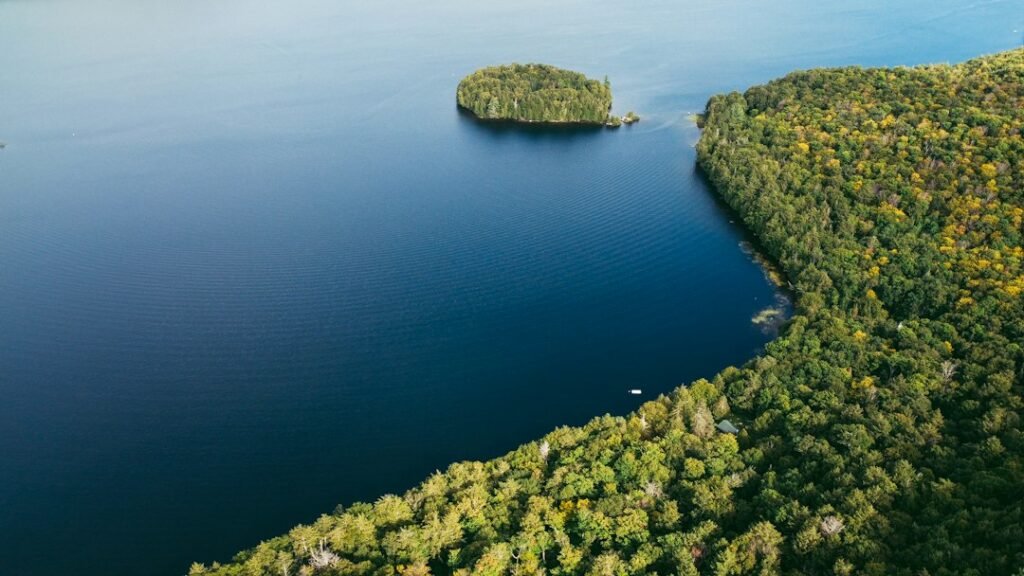
Photo: Mike Erskine / UnsplashAssessing contaminant transport and ecological risks to Québec’s boreal aquatic ecosystems.
Photo: Guy Tsror / Unsplash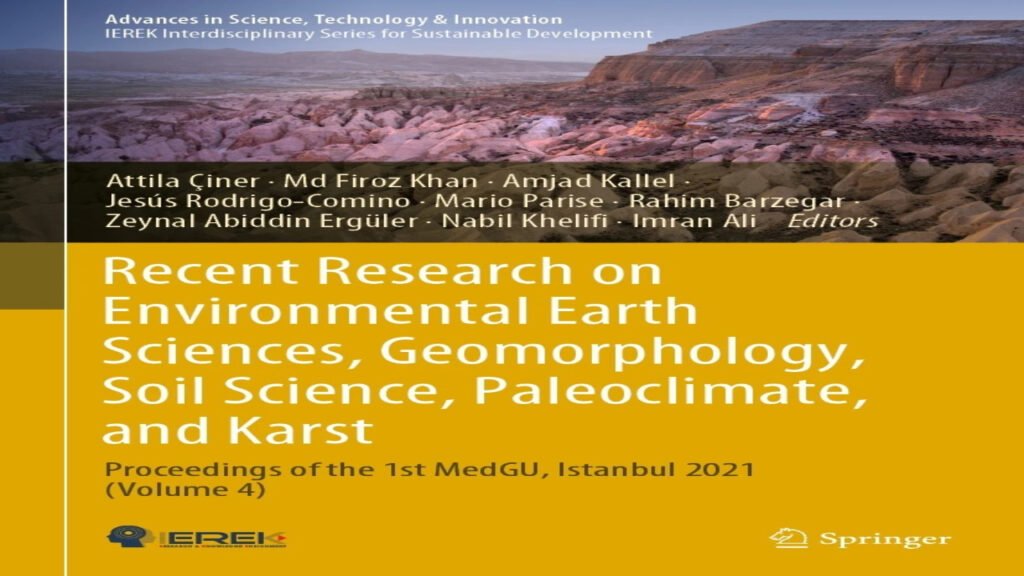
In a significant advancement for the field of Earth Sciences, Dr. Barzegar has made a notable contribution to a newly published book by Springer,…
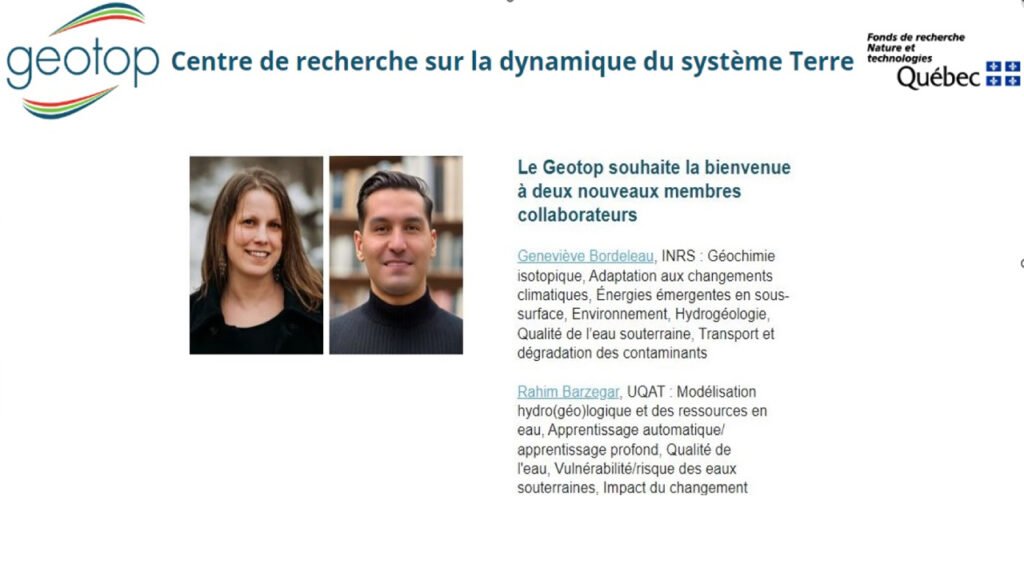
Dr. Barzegar has joined forces with Geotop, the acclaimed research center specializing in Earth Sciences. This collaboration marks an exciting union of expertise and…
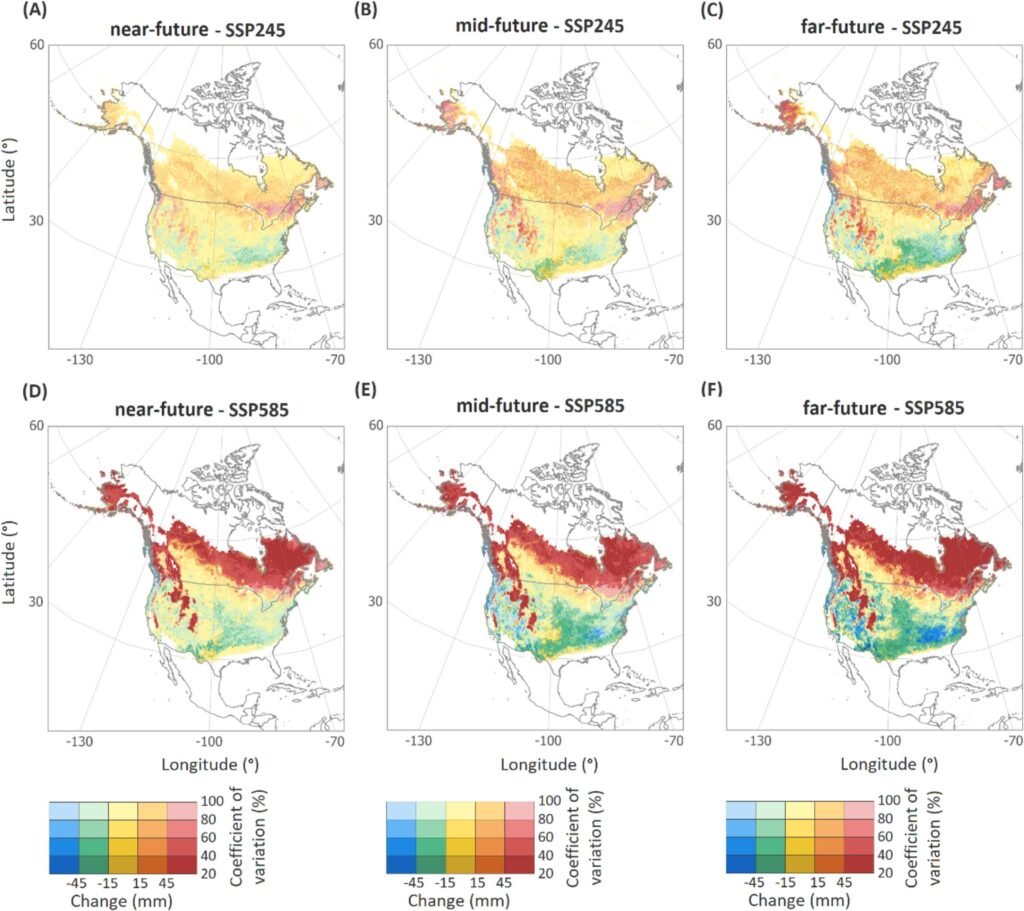 Figure 2 from the study in Journal of Hydrology. Source article
A new Journal of Hydrology study co-authored by WIIE Lab reveals a north–south contrast in future winter snowmelt: increases exceeding 60% in some northern regions and declines approaching 40% in southern snow-dominated areas. Read more: New in the Journal of Hydrology: Climate Change Reshapes Winter Snowmelt Across North America
Rahim Barzegar has been nominated for the role of co-lead of the Water Availability Axis at CentrEau. Read more: Rahim Barzegar nominated as co-lead of the Water Availability Axis at CentrEau
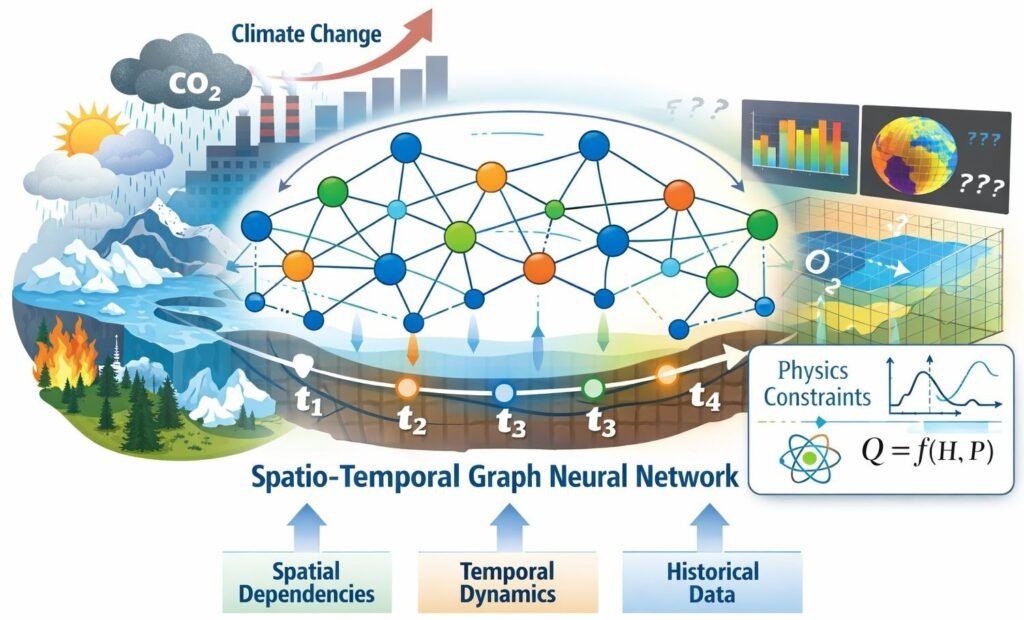
Project illustration supplied by WIIE LabWe are pleased to announce the launch of our Ouranos–MELCCFP QClim’Eau project, using physics-informed graph neural networks to model groundwater recharge and low-flow conditions under climate change in southern Québec. Read more: Ouranos project: modelling groundwater recharge and low flows under climate change